Fish game boss targets: what they are and how to treat them
A fish game boss is usually the biggest, slowest target on the screen: listed at a higher value, and harder to catch. Many fish tables include one, but every game sets its own rules, so the info screen, not the lobby tile, tells you what a boss is worth.
What players mean by a fish game boss
In the fish table genre, a boss is a single oversized target that stands out from everything else on screen. It’s often a dragon, a sea monster, a giant crab or lobster, or a mechanical creature, and it usually moves slower than ordinary fish. Some players call any big target a “boss fish”, even when the game itself uses a different name.
Across the genre, bosses tend to share a few traits:
- Size and screen time. They take up a large part of the screen and cross it slowly, which makes them feel easy to hit.
- A higher listed value. The info screen usually shows a boss as worth more, relative to your shot, than ordinary targets.
- Harder to catch. Expect a boss to take many shots per catch on average, and don’t expect the info screen to state the odds.
- An entrance. Many games announce a boss with a warning banner, a change of music or a shaking screen.
Not every game works this way, and the details always belong to the individual title. For the wider picture of how targets, values and shared rooms fit together, start with what a fish table game is.
Other special targets you may run into
Bosses aren’t the only unusual targets. Many fish tables mix in special targets with their own behavior. What you’ll actually see depends on the game, but these types are common across the genre:
| Target type | What it usually does | What to check in the info screen |
|---|---|---|
| Big fish | Listed higher than ordinary fish and takes more shots on average | Its listed value, and whether that’s a fixed figure or a range |
| Area targets, such as bombs or chain targets | When caught, also catch other targets nearby or of the same type | How many targets it can affect and how they’re valued |
| Weapon targets | Award a temporary special weapon like a drill, laser or extra cannon | Whether the weapon costs credits and how long it lasts |
| Mini-game targets, such as chests or wheels | Open a short extra round with its own result | What the round can award and whether you can leave mid-round |
| Schools and formations | Groups of small targets crossing together | Whether they’re valued differently from single fish |
Why the boss looks like a better deal than it is
A big, slow target with a high value feels like the obvious place to aim. The catch is in the pairing: across the genre, a larger listed value generally comes with a lower chance of a catch on each shot. Chasing a boss usually means stacking many small bets on one long-shot outcome.
That has two practical effects. Your balance swings more, because you may fire a long run of shots with nothing caught, followed by a single large result or none at all. And a boss chase is easy to keep extending. It always seems to be “almost there”, especially when the game shows a health bar or flashes on every hit.
The boss is never “due”. Each shot’s result comes from the game’s random outcome, so a boss that’s taken hundreds of shots isn’t closer to being caught unless the game’s own rules say so. Outcomes are random, and no pattern of shots, timing or seat position predicts them.
A calmer way to approach big targets
If you enjoy going after bosses, there’s nothing wrong with it. Just make it a decision you take before the boss shows up, not during the excitement.
- Set a boss budget first. Decide how many shots, or how much of your session amount, you’ll spend on any single boss. Our weekly session budget plan shows how to split a session amount in advance.
- Keep your cannon level. Don’t raise it because something large appeared. The level you chose for your budget still applies.
- Count shots, not hits. Watch your shot count or your balance rather than the boss’s health bar or flashing effects.
- Be careful with auto fire and target lock. Locking onto a boss with auto fire on spends at full speed. If you use them, set the level first and know where the off switch is. The fish table controls guide shows where these usually sit.
- Let it go. When your boss budget is spent, switch back to other targets or leave the table, caught or not.
Tip: Write your boss rule as one short sentence before you sit down, such as “If I chase a boss, I stop after 30 shots.” The number is just an example; what matters is deciding it while you’re calm.
For bet sizing and target selection in more depth, see our honest fish table tips. For the money side, including stop points and session limits, sweepstakes bankroll management covers the principles.
Bosses at a shared table
Fish tables are often shared, so other players may be firing at the same boss as you. How that’s handled differs from game to game. In many titles the catch goes to whichever shot lands it, but you shouldn’t assume that other players’ hits help yours, or that a boss someone else has been shooting is “softened up”. Neither is something you can see from the outside, and both depend on the game’s rules.
If you notice yourself firing faster to “beat” other players to a boss, slow down. That race costs credits and has no guaranteed reward. How shared tables generally work is explained in our guide to multiplayer fish tables.
What to look for in the info screen
Before you spend anything on special targets in a new game, open its info screen and look for answers to these:
- How is the boss’s value shown: a fixed figure, a range or a random amount?
- Does that value depend on your cannon level?
- Do special weapons or area targets cost extra credits?
- Does the game describe when a boss appears, or is that left unstated? Don’t infer a schedule from watching.
- What happens to an event in progress if you leave the table or lose connection?
If the info screen doesn’t answer a question, treat it as unknown rather than filling the gap with a guess or a rumour.
Lobby tiles don’t tell you who the boss is
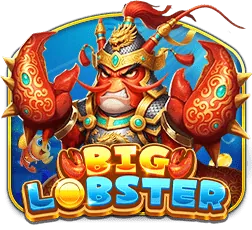
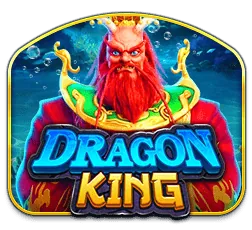
Tile art often shows a big creature. The Lobster Monster tile, lettered “Big Lobster”, shows an armored lobster general with huge ornate red claws and a gold helmet. The two Dragon King tiles each show a bearded sea king: one red-faced and stern, the other green-faced with antlers, riding a golden fish. None of that tells you whether the character appears as a target inside the game, what it’s called there or what it’s worth.
That’s why this site doesn’t list boss names or values for any Ultra Thunder game: we can’t confirm them. Browse all Ultra Thunder fish games to find a theme you like, then let that game’s info screen tell you what’s really on the table. And if the chase has become the main reason you keep playing, our responsible play page offers ways to step back.
Reader questions
Does every fish game have a boss?
No. Many fish tables feature one or more oversized targets, but some have none, some rotate several, and some use a special event instead. Lobby art won’t settle it either, since a creature on the tile may never appear at the table. Open the game’s info screen, which is the one reliable place to see what that particular table includes.
Is chasing the boss a good fish game strategy?
It’s a choice about risk, not a shortcut. A boss concentrates many shots on one uncertain result, so your balance swings harder than it does when you spread shots across smaller targets. No method makes a catch certain. If you enjoy the chase, cap it with a shot limit you set in advance. Our fish table tips cover bet sizing and target choice in more depth.
Why did the boss swim away after I hit it so many times?
Because a hit and a catch aren’t the same thing. Most fish games flash or play a sound on every hit, but only some shots end in a catch, and a boss keeps to its own path across the screen either way. Unless the info screen describes a meter that fills, assume each shot stands alone. Watching one leave after a long run is normal, so set your shot limit before the next one arrives.
Does a higher cannon level make the boss easier to catch?
Don’t assume it does. In many fish games a higher level raises both the cost of each shot and what a catch pays, but whether it changes the chance of a catch varies by game and often isn’t stated. Check the info screen, and keep the level you chose for your budget rather than raising it because something large swims in.